
Bathroom & Shower Tile Installation
Wet areas require more than good tile. We handle waterproofing, substrate prep, and precision setting to build a shower that stays watertight for years.
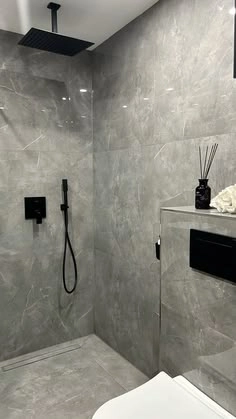
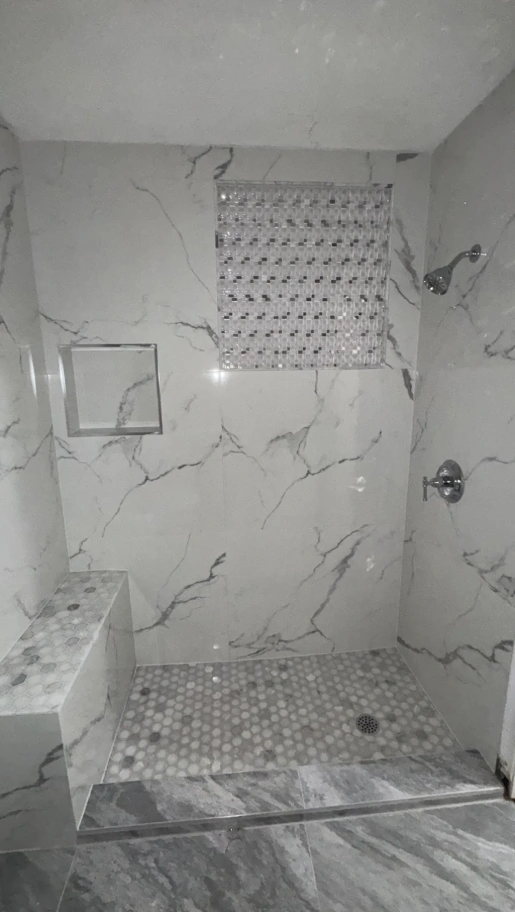
Why Bathroom Tile Is Different
Installing tile in a bathroom, and especially inside a shower enclosure, is a different discipline from tiling a living room floor. The consequences of skipping steps are serious: water infiltrates behind the tile, damages the framing, and leads to mold that is expensive to remediate. We take the wet-area steps seriously because we have seen what happens when other contractors do not.
What We Do and Why It Matters
Waterproofing Membrane
For shower walls and shower floors, we install a waterproofing membrane before any tile goes up. The type depends on the substrate and the design. Sheet membranes like Schluter Kerdi are applied directly over cement board or drywall and create a continuous barrier. Liquid-applied membranes work well in complex geometries with lots of corners and curbs. Either way, the membrane is the most important thing we do in a wet area, and it is what goes wrong first when it is skipped.
Substrate Selection
Standard drywall is not a suitable backer for shower walls, even with waterproofing applied over it. We use cement board or foam backer board as the substrate for wet areas. In shower floors, a properly sloped mortar bed or a pre-sloped foam pan is used to direct water toward the drain. Getting the slope right — typically 1/4 inch per foot — is a craft step that cannot be eyeballed.
Tile Selection for Wet Areas
Not every tile performs equally in a wet environment. For shower floors, we recommend tiles with a slip-resistance rating (DCOF above 0.42 for wet surfaces) and smaller tiles or mosaic formats that create more grout joints and therefore more traction. Shower walls can take larger-format tiles with fewer grout lines, which many clients prefer for the cleaner look. We walk through these options during the estimate.
Grout Joint Sizing and Type
Shower grout joints are typically kept at 1/16 to 1/8 inch for wall tiles and slightly wider for floor tiles depending on the format. Epoxy grout is an option for shower floors in particular — it does not require sealing and is more resistant to staining than cement grout, though it is more demanding to apply and cannot be worked as slowly.
Types of Projects We Handle
- Walk-in shower remodels (walls, floor, niche, curb)
- Tub surround tile installation
- Bathroom floor tile (full room)
- Master bathroom full remodels
- Guest bath and half-bath tile updates
- Built-in shower benches and niches
- Decorative accent tile installation
Serving Hill Country Bathrooms
We handle bathroom tile projects in Kerrville, Ingram, Center Point, and Fredericksburg. Vacation rental owners in Fredericksburg especially appreciate our ability to schedule around rental calendars.
Call (726) 900-1278 or get in touch online to discuss your bathroom project.